Here is our adventure in housesitting, with lumps, bumps and all! Our origin story is at the bottom, as the first blog post. Enjoy the ride.
Sandy
The natural disasters
At home we get storm warnings (rain or snow) and occasional tornado watches, and fog notifications. In Hawaii the weather apps also include Volcano warnings! It’s the weirdest thing to see.
Within a week of our arrival, Kilauea in the south of Hawaii went off with a bang for its 41st eruption (January 24, 2026), with lava fountains estimated at over 1500 feet high. The volcano is 100 miles away from where we were staying, and we are fortunate enough to be driving our host’s car for our stay. Unfortunately – or maybe fortunately? they have restricted where we are permitted to drive. So we aren’t allowed to approach the volcano or the 2 towering mountains (where a 4x4 is needed to make the 13000 foot ascent) Apparently there is unexploded ordnance near the tops of the volcanoes, which can go off when heated. As well – when the volcano erupts it gives off sulphur dioxide which I don’t want to be breathing in, and it flings out a variety of things classified as tephra such as fine ash (like in all the disaster movies), as well as rocks (pumice, scoria, and reticulite) and Pele’s hair, which are glass threads – harmful to both skin and eyes as well as lungs. It is created when the molten lava is stretched by high winds and explosive eruptions. It has been known to collect and blow around like small tumbleweeds near the eruption. Pele is the name of the Hawaiian volcano goddess. Just a disclaimer - these are volcano photos from the live cams, not from my camera.
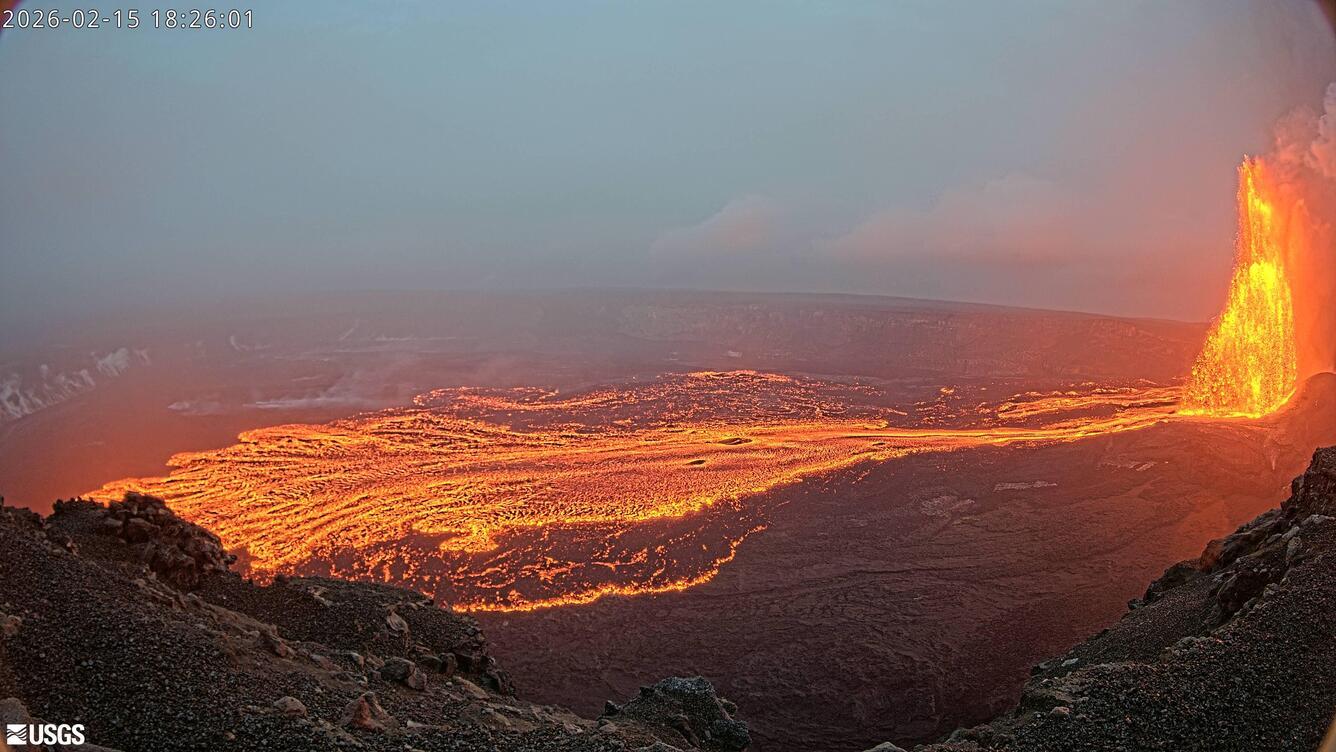
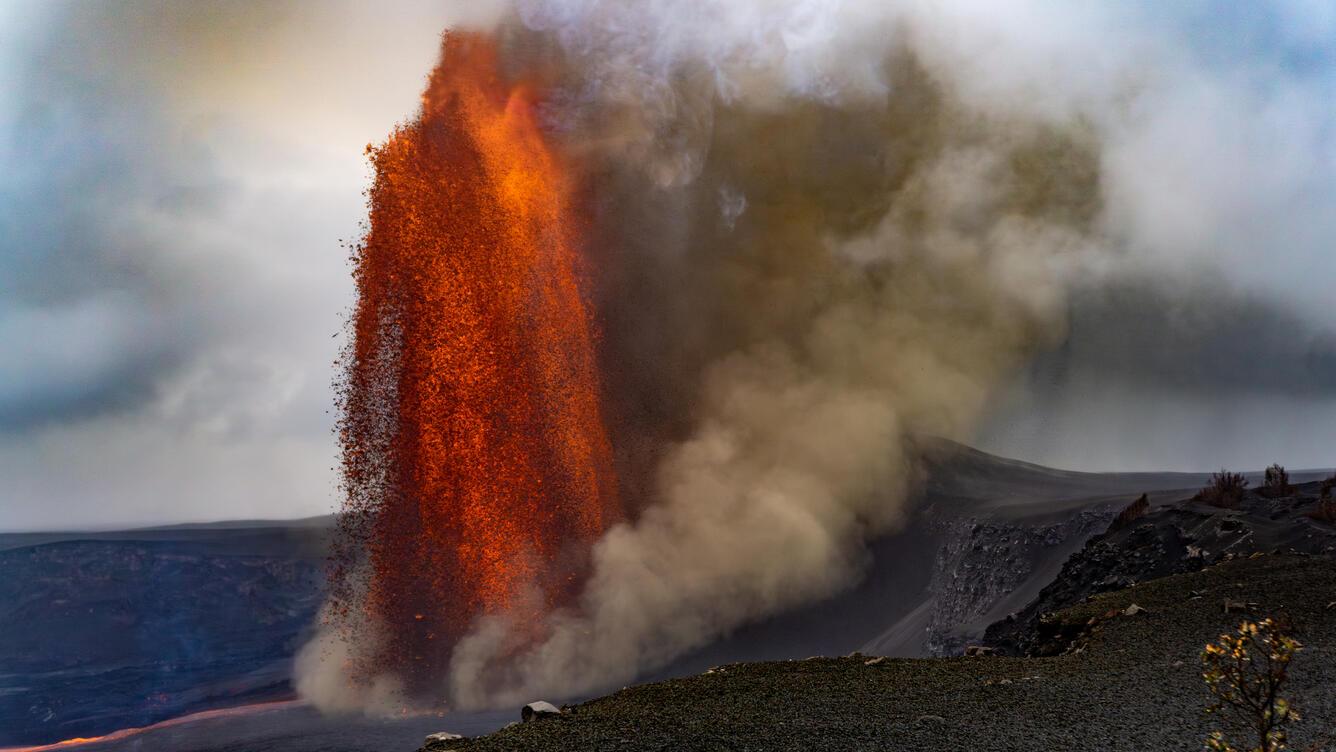
For most of the following week everyone checks online for air quality readings for the whole island, to make sure they aren’t poisoning themselves. And people who are living within the area where there is ash, etc, falling, they are instructed to close off any water collection they have, and to wait until there is an announcement that the air is clear, and then they have to have their roof and eavestroughing and any other water collection area thoroughly cleared of the fall out and cleaned.
This just meant we were unable to travel to Hilo for about a week while we waited for everything to clear.
Just a couple days after the eruption we had an earthquake felt over the entire island – a 4.2 on the Richter scale. It was enough to hear and feel the big rumble, which went on for what felt like maybe 10 seconds or so. No damage to anything. Apparently there are many small earthquakes going off all the time before an eruption. But this was the only one we felt.
Eruption # 42 was forecasted to occur between Feb 11 – 15. The forecasts are based on seismic activity near the vents of the volcano, plus things like how much glow there is from the 2 vents, and movement at the summit caldera (it was in deflation during the last 2 days). Kiluea’s caldera rim is so hazardous that it has been closed to the public since 2007. People can track it online, watch live webcams, etc. https://www.usgs.gov/volcanoes/kilauea/volcano-updates
Eruption #42 started on Feb 14th, and did its big show on Feb 15th. The ash cloud rose 35,000 feet in the air. The next eruption is estimated to be 2-3 weeks away, with a more definite date being determined based on activity later on.
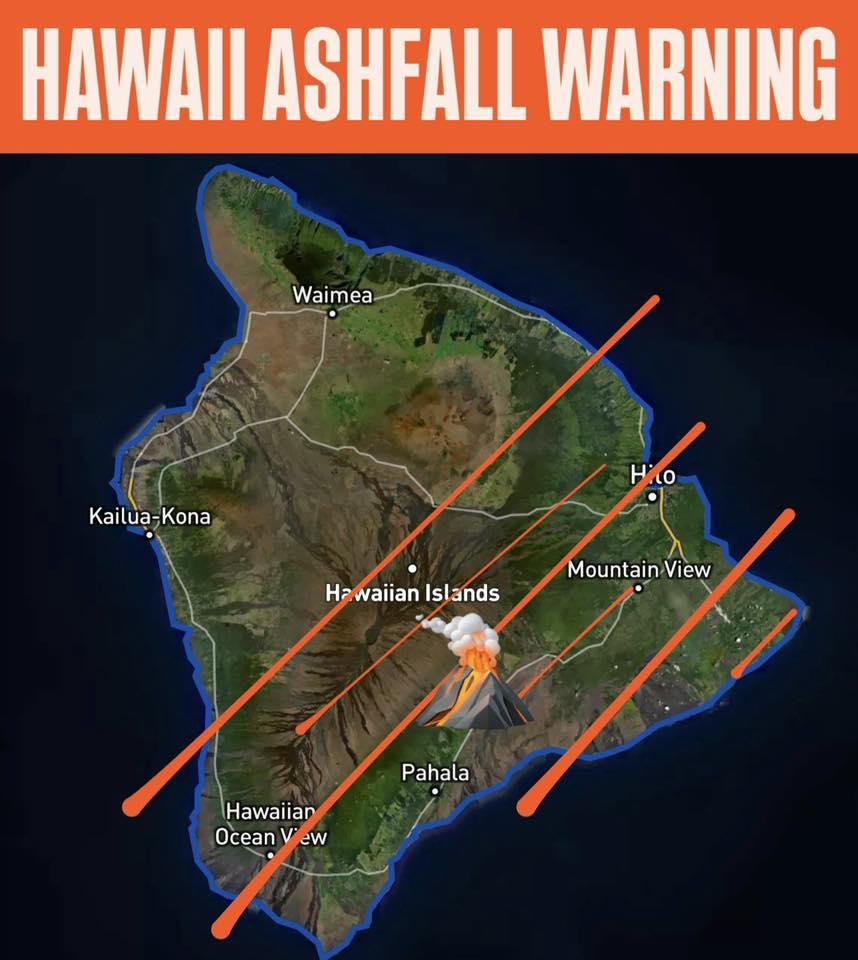
High Surf, Flash flood Advisories
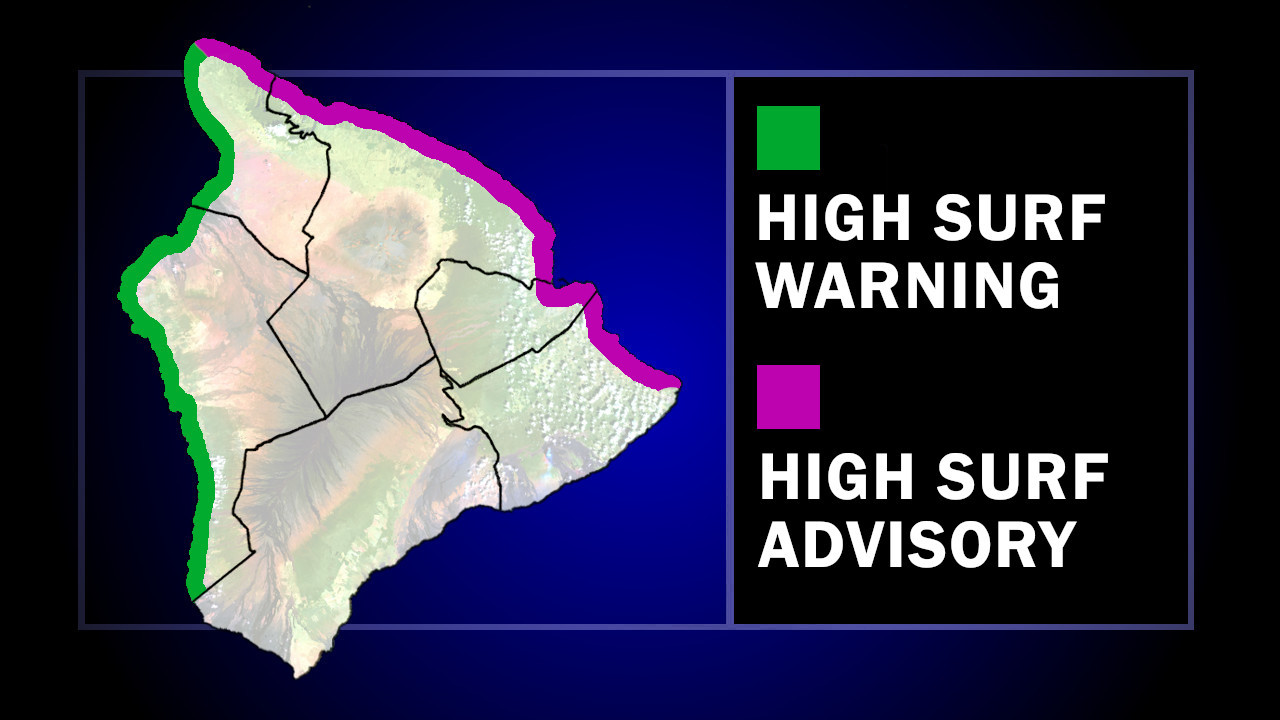
Another strange warning on the weather apps are for High Surf – which are usually identified for specific coastlines. It comes with specific wave heights most times (ie 15 – 25 feet). There can also be radio ads if the risk is high, warning swimmers and surfers to be cautious as undertows are extreme. Did we see any of this? Not really, as the beaches we have been hanging out have reefs protecting the swimming area, keeping the water calm near the shoreline.
High Wind Warnings and flash floods, etc.
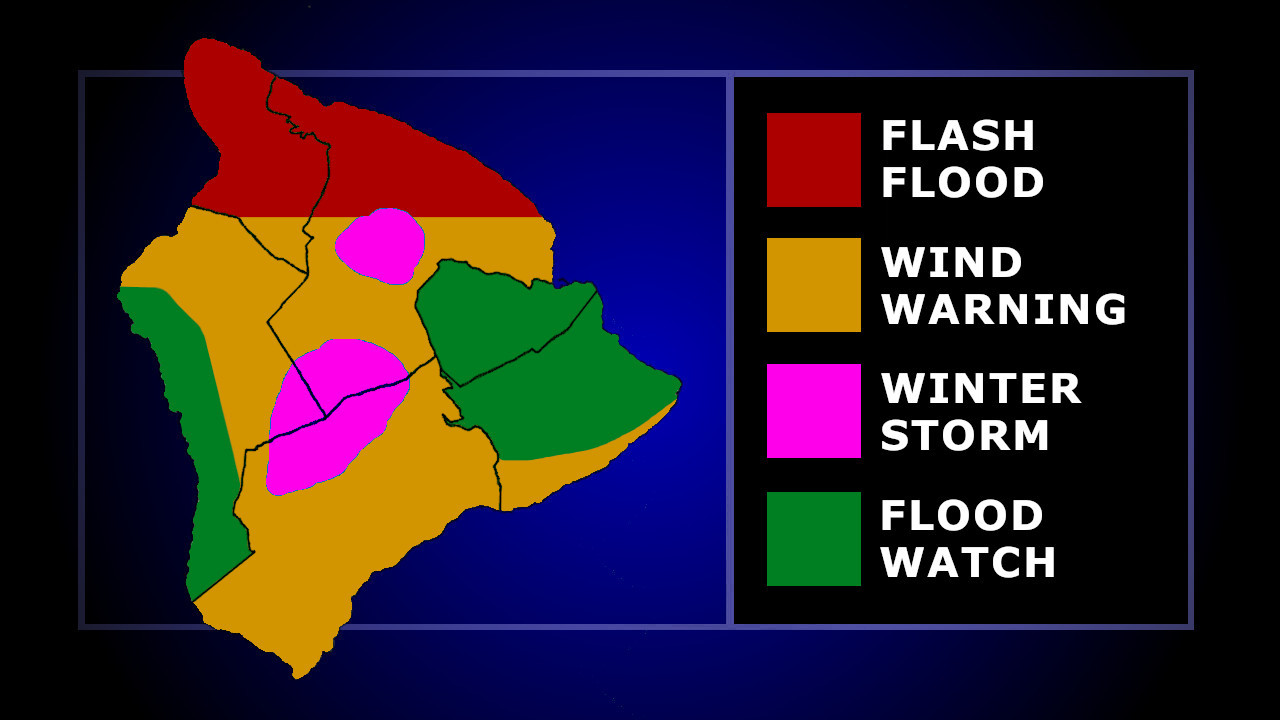
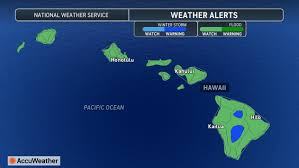
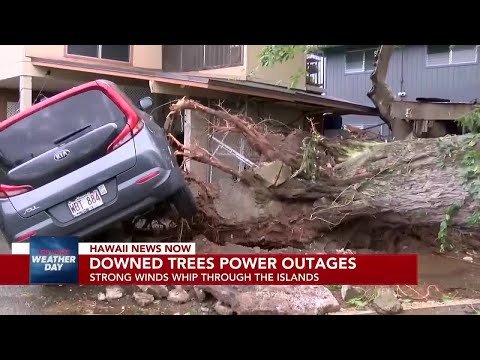
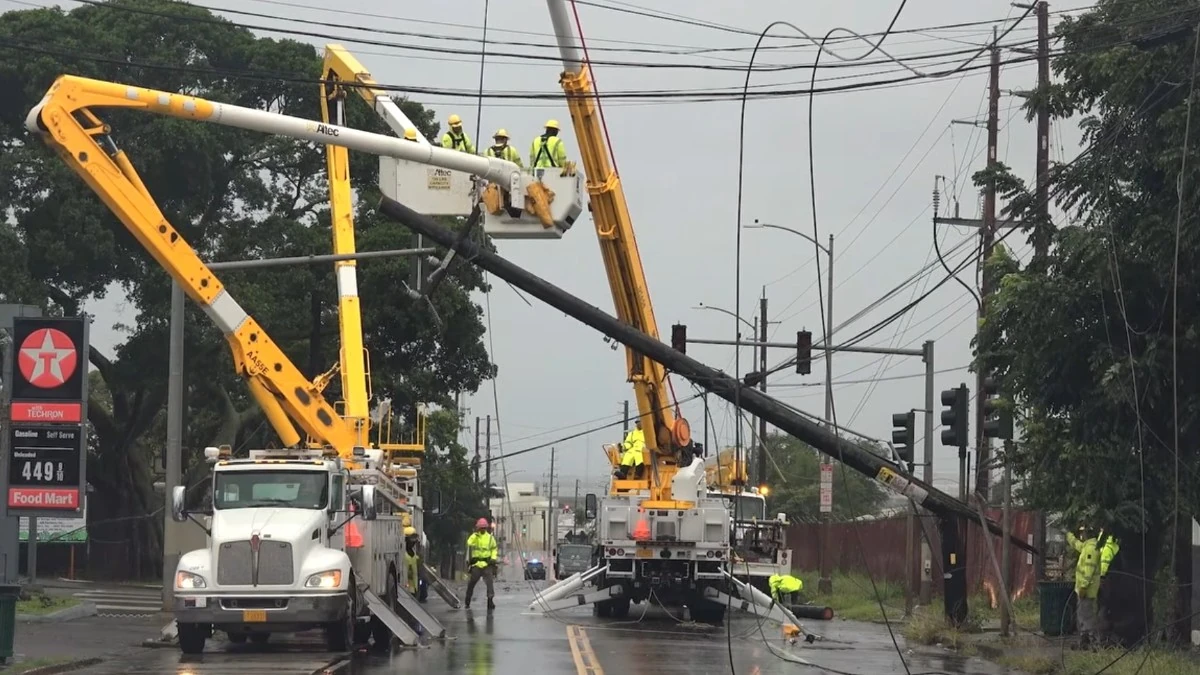
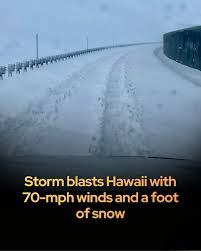
Since we are on the side of a mountain, it can be pretty breezy here fairly often. So if there is a high wind warning posted, it's something to be taken seriously. A storm was brewing, and moving from the north end of the chain of islands right down to the south, and there were many warnings about it. We cancelled our plans and just hunkered down for the duration. What happened? Wind gusts up to 70 mph, lots of clouds, a cold turn to the weather (so the temperature sat between 13 and 20 degrees), and heavy rains in certain areas. Many many announcements were made to keep people at home, have them tie down small items, put things away so they don’t turn into projectiles, and don’t drive or walk through any flood waters (apparently there are a lot of drownings from that.) Then we started seeing Flash Flood warnings. We didn’t actually see that part until day 3 of the storm – when the dry riverbed right behind the house was suddenly filled with racing water!
The thing about online warnings and notifications is that they can reach you anywhere – which meant our host family was getting them while they were on vacation in Costa Rica, and they were freaking out! So we were getting a series of emails from then, asking for status reports, and requesting us do certain tasks – like go (out in the rain) and bring in the plastic Adirondack chairs and put them in the reading room, move the car to the car port, turn all the lounge chairs upside down, secure the rocking chairs, move all the lounge cushions into the storage box (not that all the lounge cushions would fit in the box), and they kept sending us the screen shots of the warnings they was getting, including the storm status of the solar battery storage system for the house.
One thing we had to be very aware of was our energy consumption, as we were staying in a solar house without access to public utilities. The batteries could store enough power for 2 days of storms, but we were heading into 3 days of storms. So no laundry, no dishwasher, and we only turned on a minimum of lights. (On day 4 when the sun came out we celebrated by running the dishwasher first thing!)
We learned something about ourselves – 3 days stuck inside is too long, even if you are in Hawaii!! No matter where we stay, their living room furniture is never as comfortable as ours is. On day 3 I was going stir crazy and took myself off for my usual walk. I discovered it is very difficult to walk in 60+mph wind gusts, so I was only out for 20 minutes instead of 45 minutes.
Damage report – at our place we had to fix some overturned pots, move some lightweight chairs back, and there will be a lot of raking of leaves and small branches and kukui nuts. We were very lucky. Other areas here - not so much, like the 45,000 people without power. Ps the snow was at the top of Mauna Kea, not everywhere on the island! There were videos of people skiing and sledding the day after - you have to take advantage of the rare instances it happens here!
Welcome to the Hillbillyhousesitter Blog!
Stay updated with our latest blog posts and insights into the world of house sitting and travel. Your path starts here, following our adventures!
Explore our latest articles, tips, and stories about house sitting and travel adventures. Join our community of passionate travelers!